
In the rapidly evolving world of cryptocurrency, safeguarding your digital assets is more important than ever. The question many investors and users ask is simple: What makes a crypto wallet truly secure in 2025? The answer involves a mix of advanced technology, smart user practices, and understanding the various types of wallets available. This comprehensive guide will walk you through everything you need to know about secure crypto wallets — including how to choose the best crypto wallet 2025, the importance of cold wallets vs. hot wallets, managing your seed phrase, and why crypto wallet security should be your top priority.
Whether you’re a seasoned trader or a beginner entering the Global Crypto Sports arena, this detailed article will help you protect your investments with confidence.
Understanding What a Secure Crypto Wallet Is
At its core, a crypto wallet is a tool that allows users to store and manage their cryptocurrencies safely. But what truly defines a wallet as secure?
Core Security Features of a Secure Crypto Wallet:
- Private Key Control: Your private key must be accessible only to you. This key grants access to your funds.
- Encryption: Wallets should use robust encryption standards to protect data.
- Backup Options: A reliable backup, like a seed phrase, is critical to recover your wallet if lost.
- Multi-Factor Authentication (MFA): Adding extra layers, like biometric or 2FA, enhances wallet security.
- Open Source Code: Transparent wallets offer greater trust by allowing community audits.
- Regular Updates: Security patches and software upgrades help fend off new threats.
Most importantly, secure crypto wallets balance user convenience with top-tier safety. This means users can access their crypto assets without sacrificing protection.
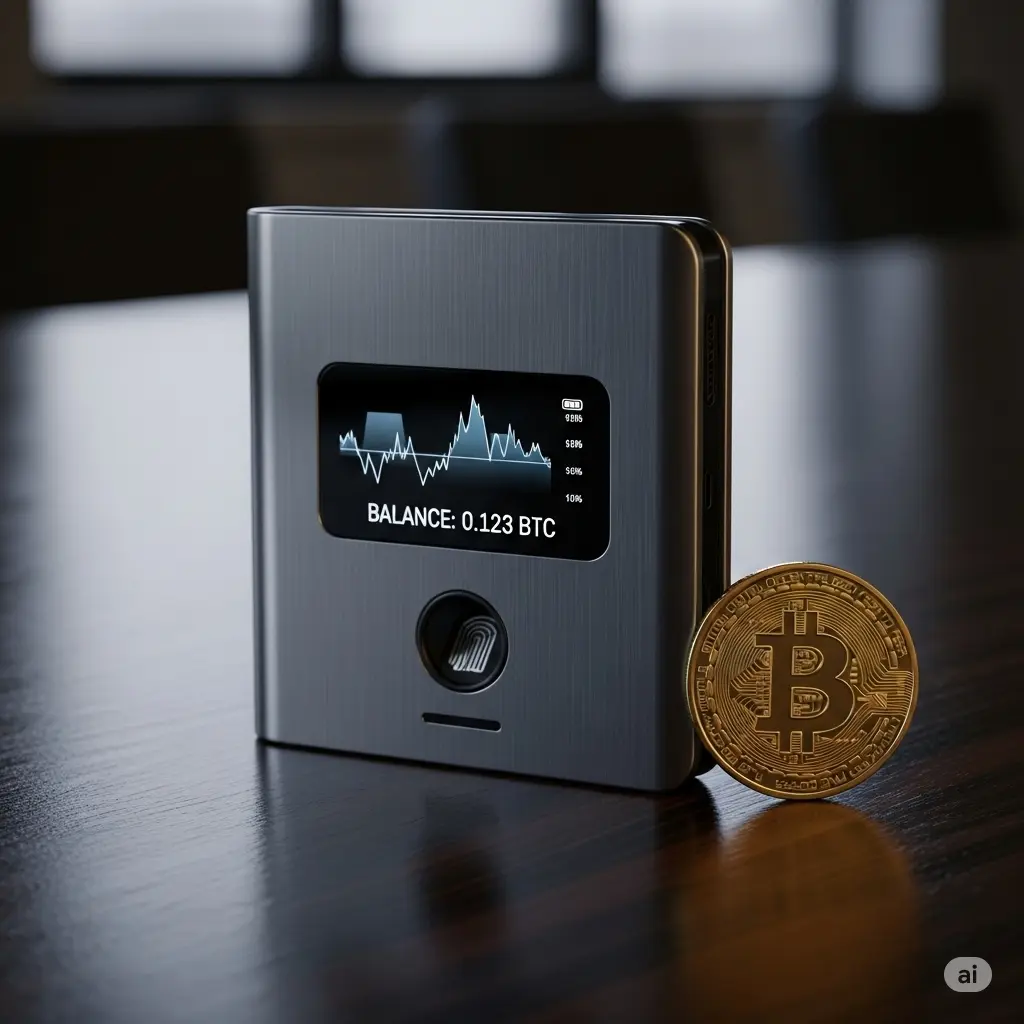
Types of Crypto Wallets: Which Is Most Secure?
Crypto wallets generally fall into two broad categories: cold wallets and hot wallets. Each serves different user needs and offers distinct security advantages.
1. Cold Wallets
Cold wallets are offline wallets. They store private keys away from the internet, drastically reducing hacking risks.
Examples:
- Hardware wallets: Physical devices like Ledger Nano or Trezor.
- Paper wallets: Printed QR codes or keys on paper, kept offline.
Advantages:
- Immune to online hacks.
- Ideal for long-term storage.
- Can be securely backed up using a seed phrase.
Drawbacks:
- Less convenient for frequent trading.
- Requires physical safeguarding.
2. Hot Wallets
Hot wallets connect to the internet, enabling quick access and easy transactions.
Examples:
- Mobile wallets: Apps like Trust Wallet or MetaMask on smartphones.
- Desktop wallets: Software installed on your computer.
- Web wallets: Online wallets accessed through browsers.
Advantages:
- Convenient for everyday use.
- Support integration with exchanges and Global Crypto Sports platforms.
- Often include user-friendly interfaces.
Drawbacks:
- Vulnerable to phishing and hacking.
- Security depends heavily on user vigilance.
What to Look for in the Best Crypto Wallet 2025
Choosing the best crypto wallet in 2025 depends on your needs and how you prioritize security vs. convenience. Here are essential qualities to seek:
1. Strong Private Key Management
Ensure the wallet allows you full control over your private keys. Without ownership, you risk losing your assets.
2. Comprehensive Crypto Wallet Security Features
Look for wallets offering:
- End-to-end encryption.
- Multi-factor authentication.
- Anti-phishing tools.
- Timely software updates.
3. Backup and Recovery Options
A wallet backup is crucial. The wallet should provide a seed phrase — typically 12 to 24 words — that lets you restore access if your device is lost or damaged.
4. Compatibility with Multiple Cryptocurrencies
For diverse portfolios, choose wallets that support various coins and tokens.
5. User-Friendly Design
Especially if you’re new to crypto, intuitive interfaces reduce errors and improve security.
6. Decentralized Wallet Support
Decentralized wallets (non-custodial wallets) give users complete control without third-party interference. They enhance privacy and security.
7. Reputation and Community Trust
Research the wallet provider’s background, check user reviews, and prefer wallets with open-source code to build confidence.
Practical Tips to Maximize Your Crypto Wallet Security
Even the most advanced wallets require smart user practices. Here are some actionable tips to keep your crypto secure:
Use a Hardware Wallet for Long-Term Storage
Hardware wallets remain the safest option for storing large amounts of cryptocurrency offline.
Never Share Your Seed Phrase
Your seed phrase is the master key to your wallet. Never share it online or with anyone.
Enable Two-Factor Authentication (2FA)
2FA adds an extra security layer. Even if your password is compromised, 2FA can prevent unauthorized access.
Keep Your Wallet Software Updated
Developers frequently release patches to fix vulnerabilities. Always update your wallet promptly.
Avoid Public Wi-Fi When Accessing Wallets
Public networks can be insecure. Use trusted connections or a VPN when managing your crypto.
Backup Your Wallet Regularly
Create multiple copies of your wallet backup stored securely offline. This protects against device failure or loss.
Use Multi-Signature Wallets When Possible
Multi-signature wallets require multiple approvals before transactions execute, offering enhanced security.

The Role of the Seed Phrase in Wallet Security
The seed phrase is a set of words generated when you create your wallet. It allows you to restore your wallet anytime.
Why the Seed Phrase Is Vital:
- Acts as a backup for all your private keys.
- Enables wallet recovery after theft, loss, or device failure.
- Must be stored offline in a secure place (e.g., a safe or encrypted USB).
Common Mistakes to Avoid:
- Taking photos or saving the phrase on cloud services.
- Sharing the phrase with anyone claiming to offer support.
- Storing the phrase digitally without encryption.
Remember, anyone with your seed phrase can control your assets.
Exploring Decentralized Wallets for Maximum Security and Privacy
Decentralized wallets operate without a central authority. Unlike custodial wallets managed by exchanges, decentralized wallets give users full control.
Benefits of Decentralized Wallets:
- Improved privacy: No third party monitors your transactions.
- Greater security: Reduced risk of centralized hacks.
- User autonomy: Control your funds and private keys.
Popular Decentralized Wallet Examples:
- MetaMask
- Trust Wallet
- Exodus
Using decentralized wallets aligns well with crypto’s core values: freedom and security.
Why Combining Both Cold Wallet and Hot Wallet Enhances Security
A well-rounded security strategy often uses both cold and hot wallets:
- Cold wallet: Stores the majority of your assets safely offline.
- Hot wallet: Holds smaller amounts for daily transactions and quick trades.
This approach limits exposure to risks while maintaining flexibility. Many users find this combination effective in managing crypto securely.
Addressing Common Myths About Crypto Wallet Security
Myth 1: “Software Wallets Are Always Unsafe”
While hardware wallets are safer for storage, many software wallets offer excellent security when used correctly.
Myth 2: “You Don’t Need to Back Up Your Wallet If You Use Exchanges”
Relying on exchanges means trusting third parties. Always back up your wallets.
Myth 3: “Once You Lose Your Wallet, You Lose Everything”
If you have your seed phrase, you can recover your wallet on another device.
How Global Crypto Sports Platforms Influence Wallet Security Needs
The rise of Global Crypto Sports and other crypto-powered platforms demands better wallet security. Users often make rapid transactions and handle multiple tokens, increasing vulnerability.
To keep up:
- Use wallets that support multi-asset portfolios.
- Prioritize wallets compatible with Global Crypto Sports platforms.
- Employ real-time transaction monitoring features.
Staying ahead means choosing wallets designed for modern crypto activity.
FAQs About Secure Crypto Wallets
Q1: What is the difference between a hardware wallet and a software wallet?
A: Hardware wallets are physical devices that store keys offline. Software wallets run on devices connected to the internet, making them more vulnerable but convenient.
Q2: Can I use one wallet for all my cryptocurrencies?
A: Many wallets support multiple coins, but always verify compatibility before transferring funds.
Q3: How do I keep my seed phrase safe?
A: Store your seed phrase offline in a secure location, such as a fireproof safe or encrypted USB.
Q4: Is it necessary to use a multi-signature wallet?
A: Multi-signature wallets add security by requiring multiple approvals, ideal for high-value accounts.
Q5: What is a decentralized wallet?
A: A wallet where users control their private keys without relying on third-party services.
Building Trust with the Right Crypto Wallet Brand
When selecting a secure crypto wallet, trust is essential. Look for brands with:
- Transparent operations.
- Open-source software.
- Responsive customer support.
- Strong community endorsements.
Brands that prioritize security and user empowerment align best with the evolving crypto landscape in 2025.
Final Thoughts: Your Path to a Truly Secure Crypto Wallet in 2025
Crypto wallet security is more than just choosing the right device or app. It involves understanding your risks, adopting smart habits, and staying updated on innovations. As the crypto ecosystem matures, your wallet must evolve to meet new threats.
By combining trusted hardware solutions, decentralized control, effective wallet backup, and vigilance in handling your seed phrase, you ensure your assets remain protected.
In 2025 and beyond, the truly secure crypto wallet will be the one you control, understand, and maintain with care. Take charge of your crypto security today.
If you enjoyed this guide, stay tuned to Global Crypto Sports for the latest in crypto security news and insights. Protect your investments and trade smart!